A microdrama is a short-form scripted series made up of bite-sized episodes, usually watched vertically on your phone. Think of it as a TV drama condensed into episodes that can be only a minute or two long, with romance, betrayal, suspense, comedy, cliffhangers, and plenty of drama packed into a much faster format.
If you've ever started watching a dramatic scene on your phone and suddenly realized you're 20 episodes deep... you've probably discovered a microdrama.
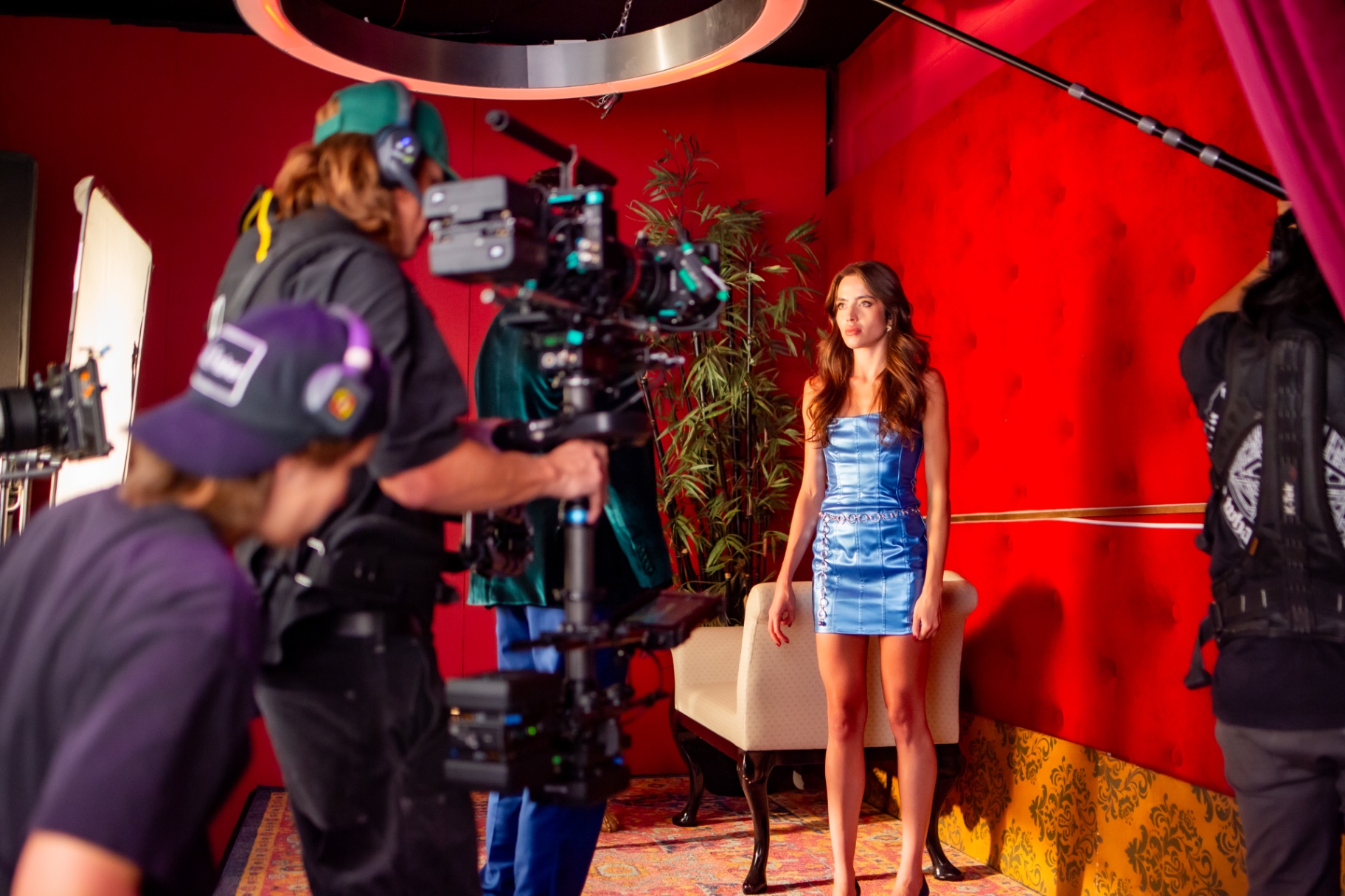
So, how do microdramas work?
Instead of watching one 30- or 60-minute episode, a microdrama tells its story through lots of very short episodes. A full series can have dozens of them, with each episode moving the story forward and usually leaving you with a reason to watch the next one.
That's a huge part of what makes them so much fun.
The stories move fast. You don't have five episodes to wait for something to happen. Characters fall in love, uncover secrets, get betrayed, make terrible decisions, discover secret identities, and occasionally find out the billionaire they've been arguing with is actually their husband. You get the idea.
What makes a microdrama different from a regular TV show?
For me, the biggest difference is the rhythm.
I work as an actress and filmmaker in the microdrama world, and one of the first things you realize is that there isn't much time to waste. A scene needs to grab you quickly. The relationships need to feel clear. The emotions have to land. And almost every episode needs to make you curious about what happens next.
But short-form doesn't mean the story has to feel small.
Some microdramas have huge love stories, complicated families, revenge plots, mysteries, fantasy worlds, and characters who go through an incredible amount over the course of a series.
They're simply being told in a new way.
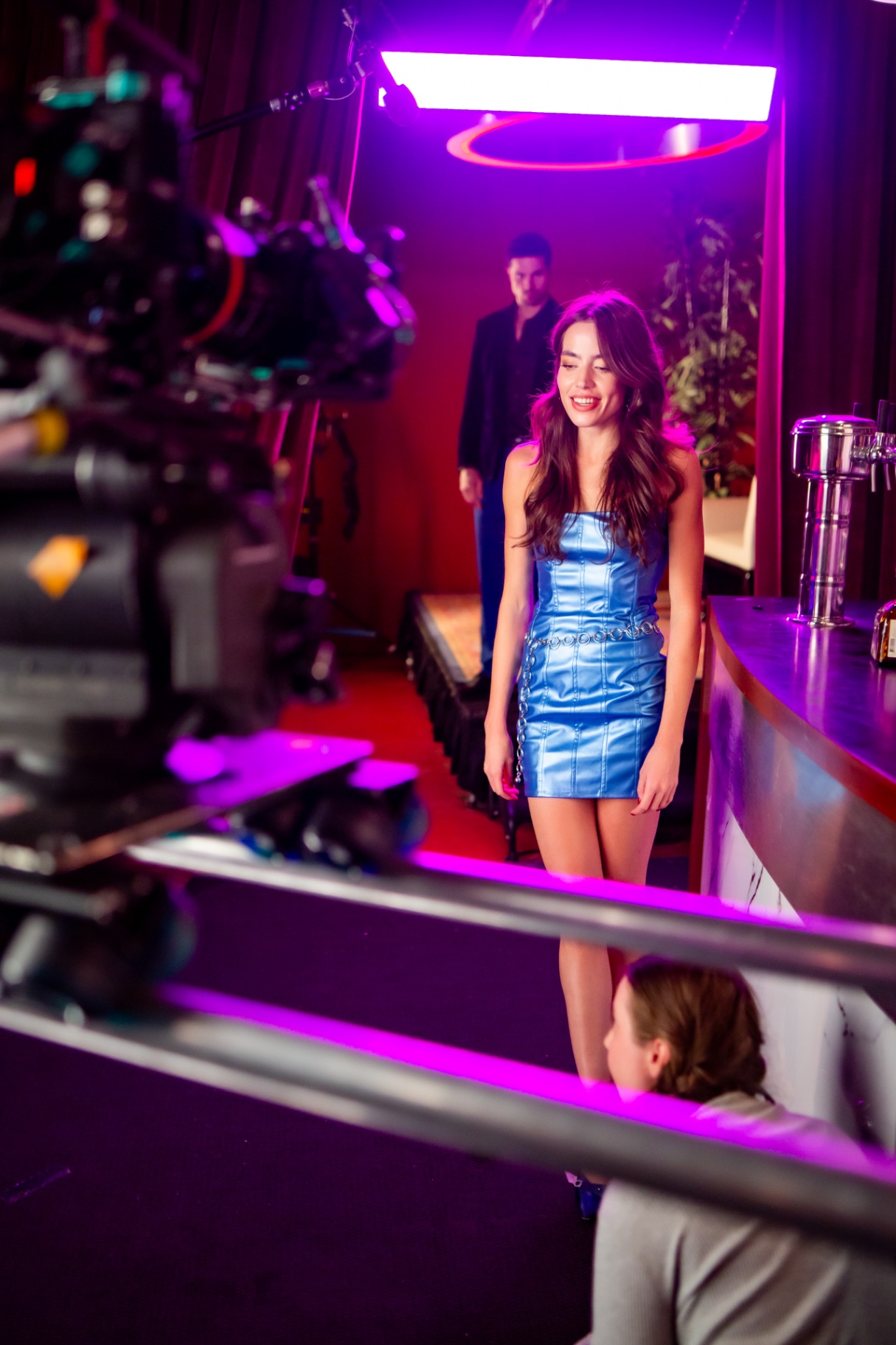
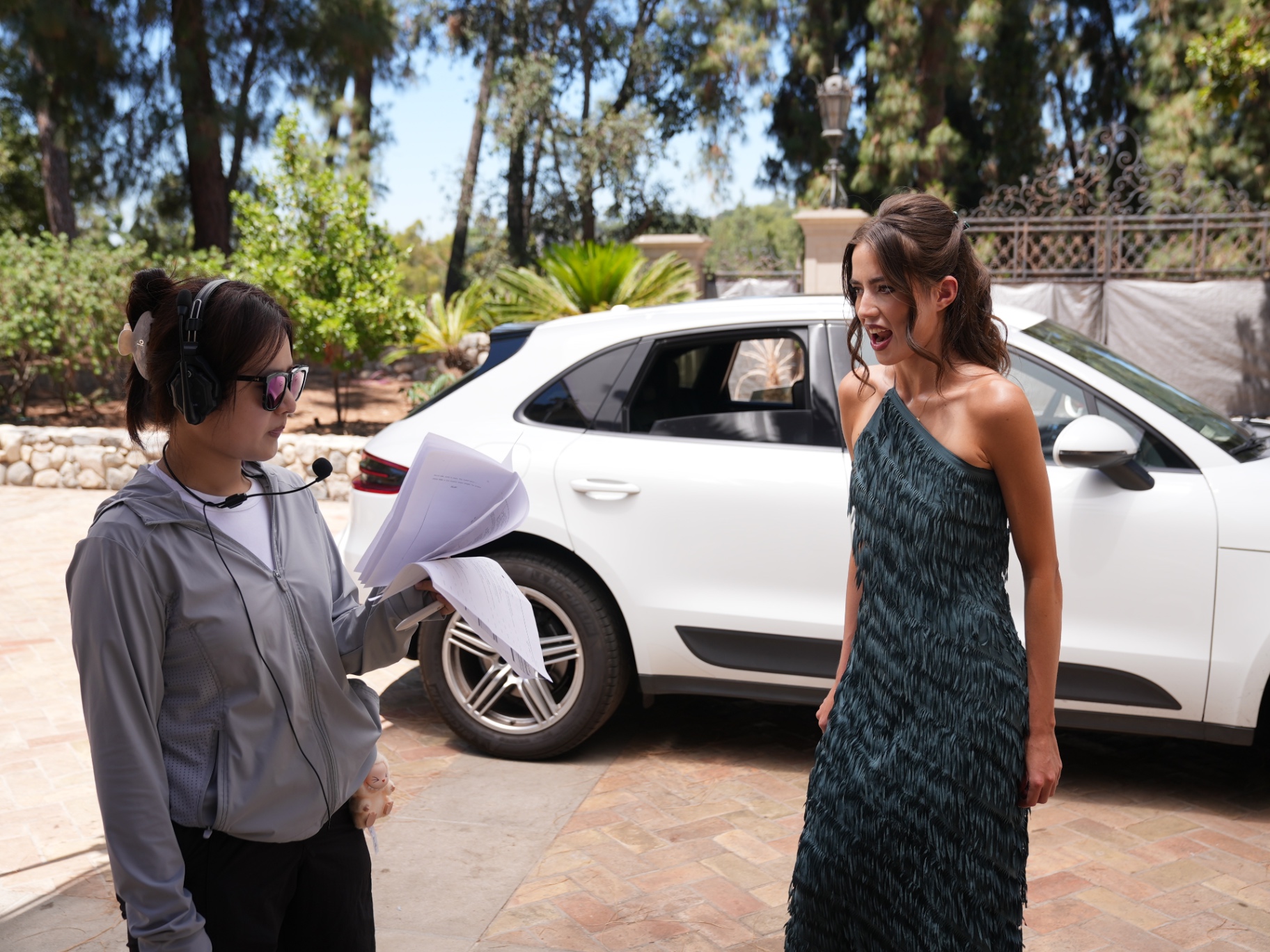
Why are microdramas vertical?
Most microdramas are created specifically to be watched on a smartphone, which is why they're commonly filmed in a vertical 9:16 format rather than the horizontal format we're used to seeing in movies and television.
It changes more than the shape of the screen.
Actors are framed differently. Close-ups become incredibly important. Scenes are paced differently. Even the way a director blocks a conversation can change because the viewer is experiencing everything through a tall, narrow frame in the palm of their hand.
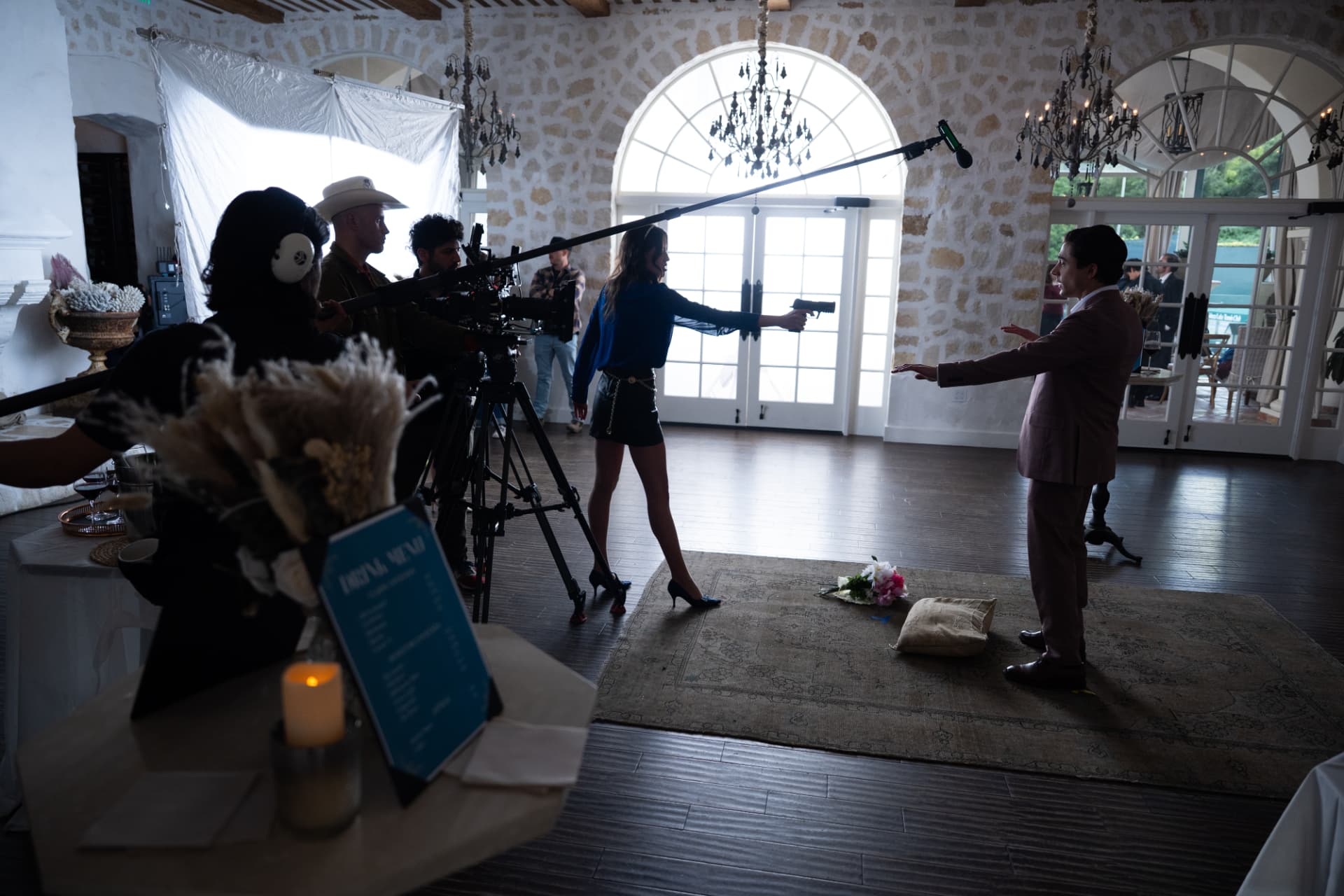
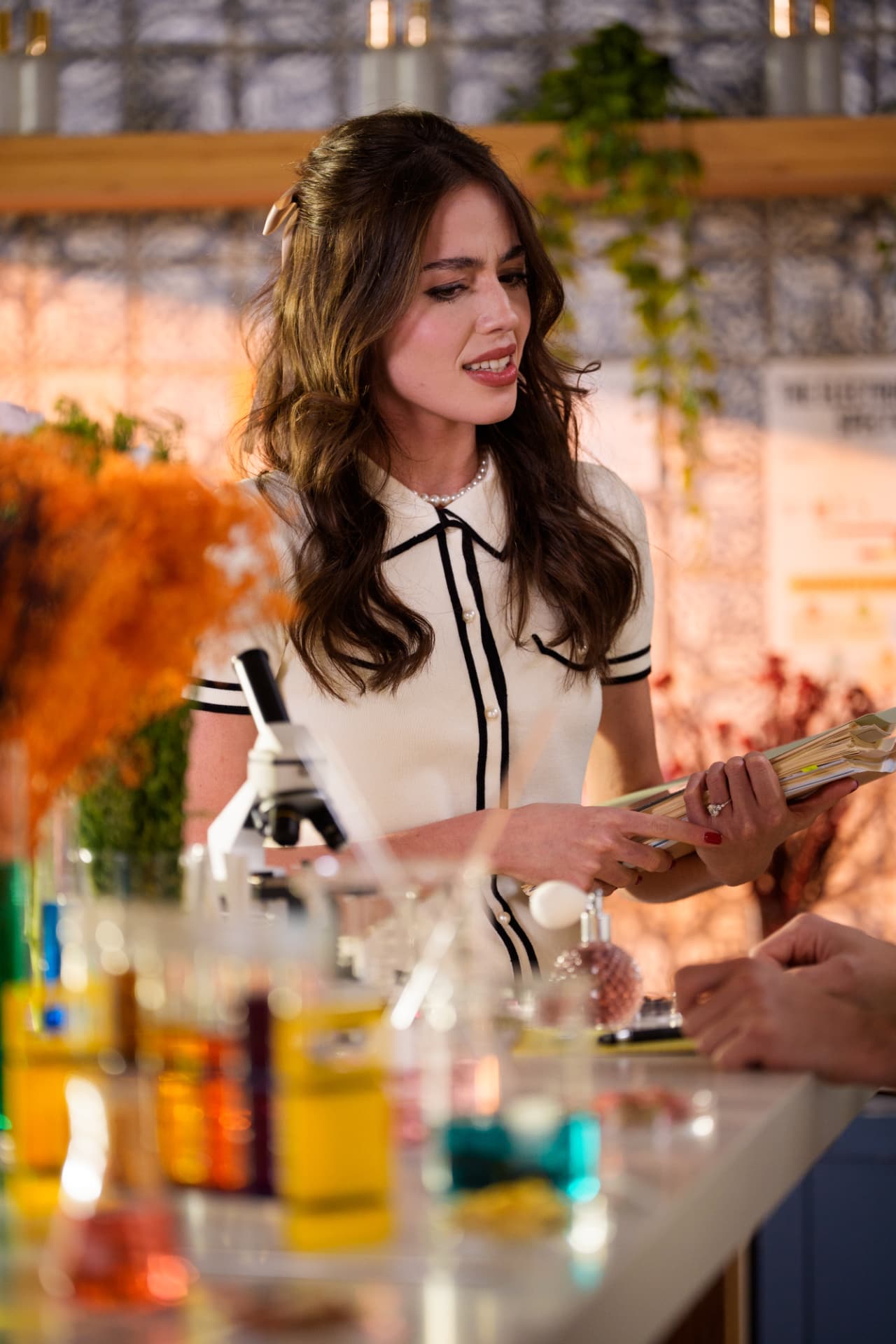
Are microdramas the same as TikToks or Reels?
Not exactly.
They're short and vertical, so they may look similar at first, but microdramas are scripted episodic stories.
There are characters, story arcs, scripts, actors, directors, crews, costumes, locations, and an actual narrative that continues from episode to episode.
I think that's one of the easiest ways to understand them:
Imagine a television series built specifically for the way people watch stories on their phones.
That's a microdrama.
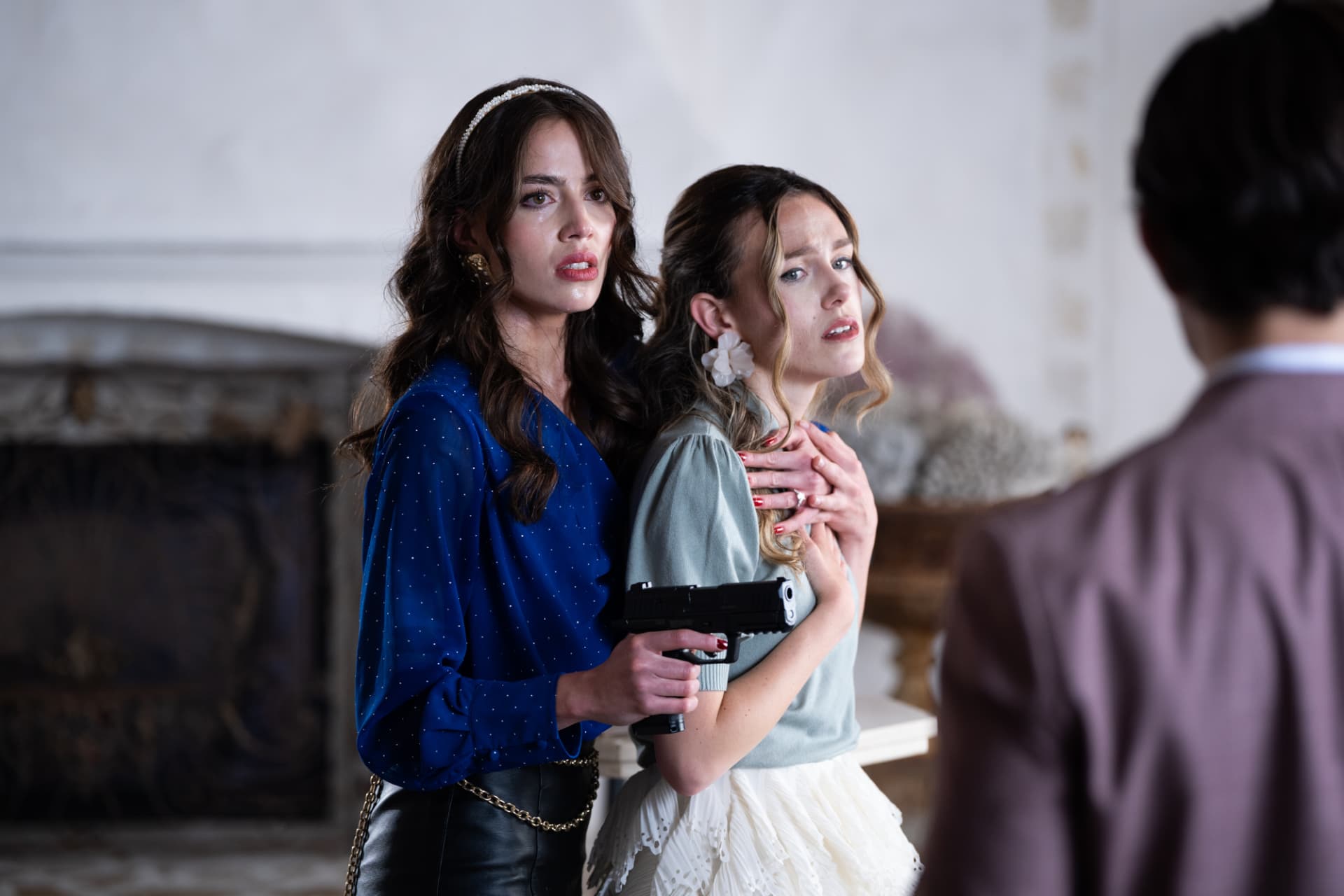
Why I’m Fascinated by Microdramas
Before microdramas, I was studying filmmaking and acting, learning storytelling from both sides of the camera.
When I started working in microdramas, I was fascinated by how different the format felt from what I had been learning. Everything moved faster. As an actress, I had much less time to communicate what a character was thinking or feeling, which meant understanding the emotional stakes of a scene almost immediately while still finding a way to make the character feel real.
My background in filmmaking made me equally curious about what was happening behind the camera. Vertical storytelling changes the way scenes are framed, paced, performed, and ultimately experienced by the audience.
What interested me most was realizing that microdramas weren’t simply miniature versions of movies or television.
They were developing their own language.
Their own pacing, visual style, storytelling conventions, performers, audiences, and creative possibilities.
Having studied filmmaking before entering the space, it’s been especially interesting to watch those rules being written in real time. And I think we’re still at the beginning of discovering what the format can become.
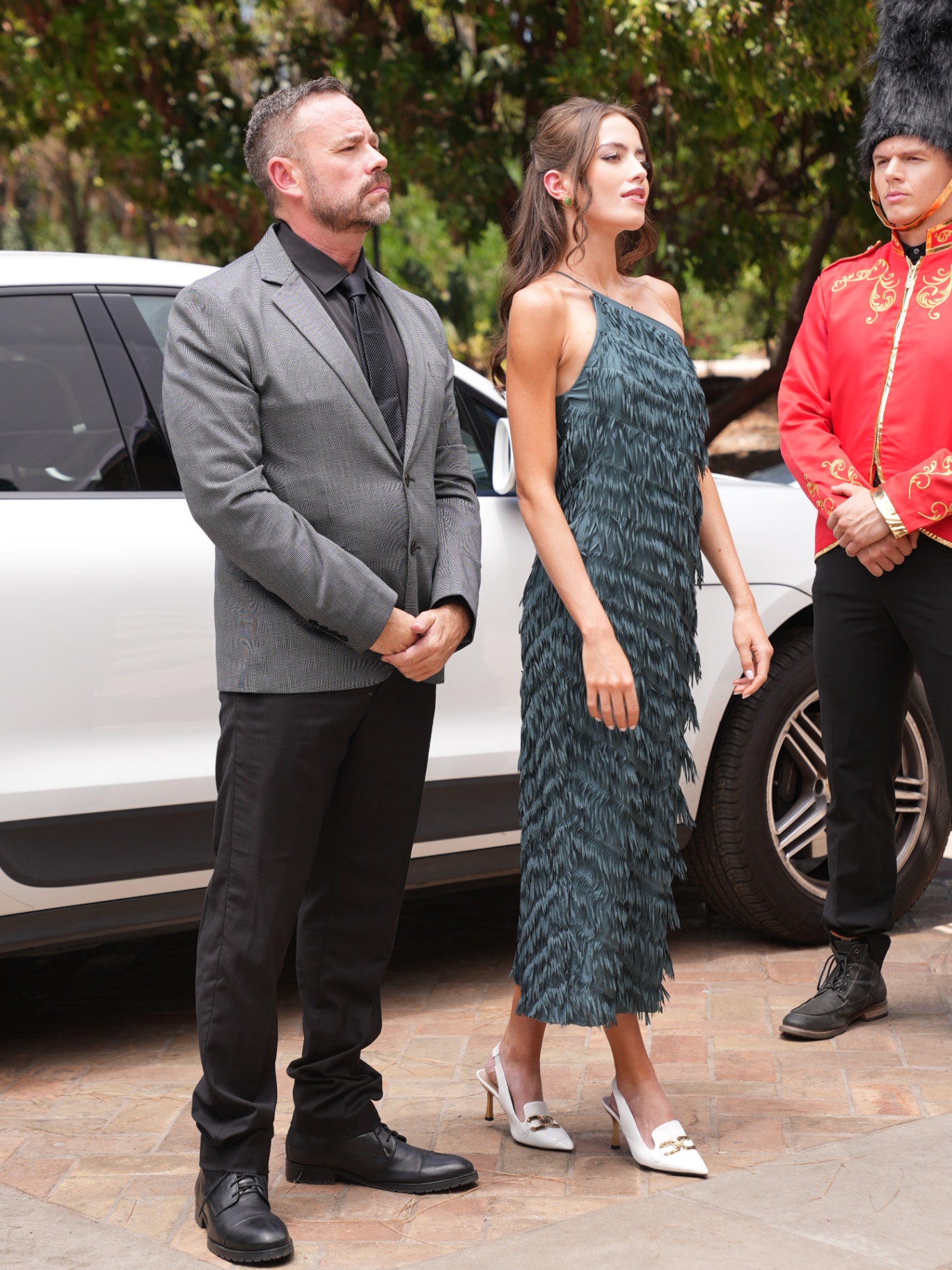
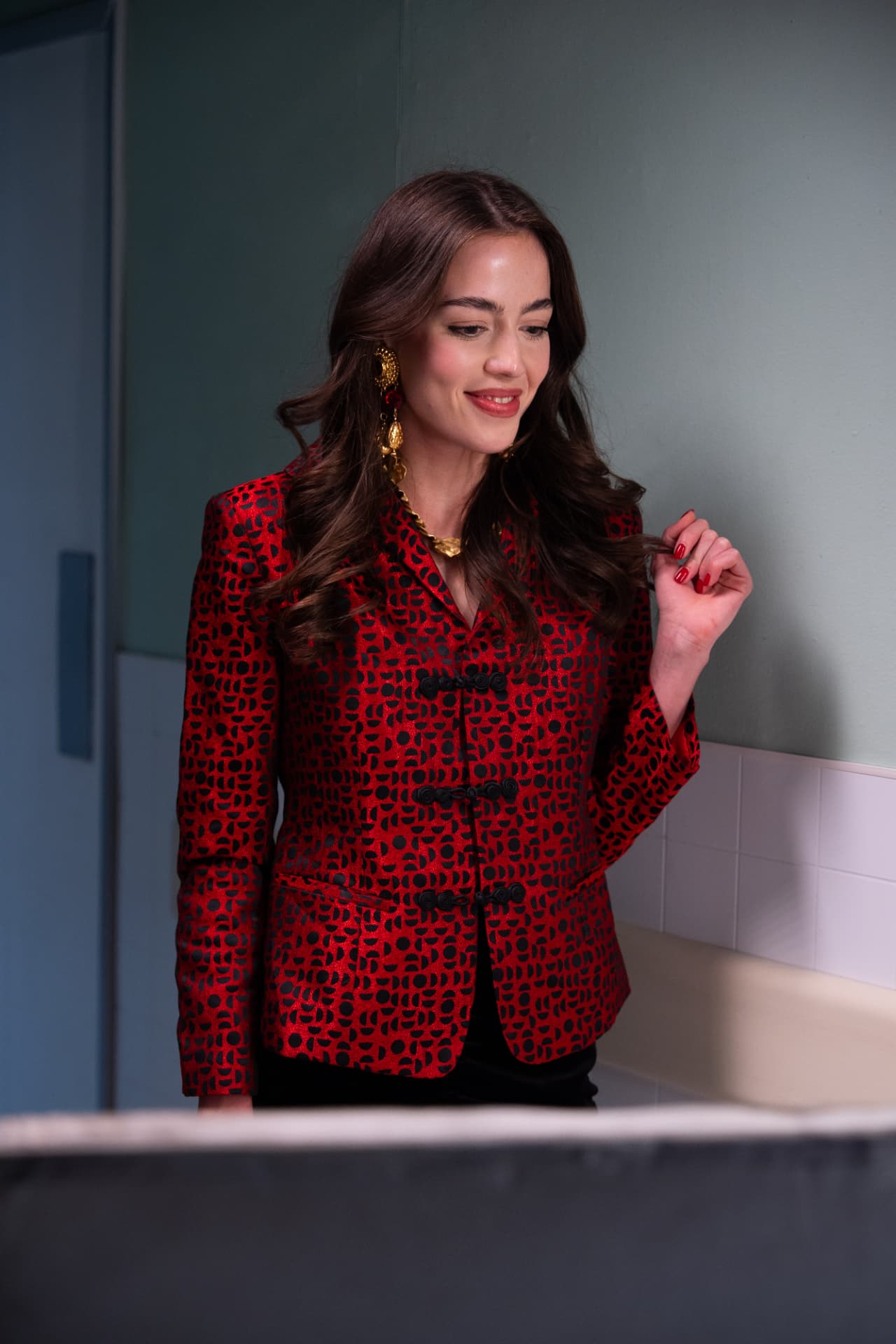
My experience in microdramas since 2023
I started acting in microdramas in late 2023, and I was immediately struck by how fast, heightened, and almost fantastical the format felt.
Everything moved quickly. The stories were big, the emotions were heightened, and productions operated at a pace I had never experienced before.
What also surprised me was how quickly microdramas became a consistent source of work for actors. It suddenly felt possible to be on set almost every day of the month, constantly moving between different characters, stories, and worlds.
By early 2024, I began booking lead roles, but I also started noticing something about how many of the female characters were written.
They often had very little agency.
I remember being told during auditions, "She isn't that tough. She's not that strong," when my instinct was to give the character more resistance, awareness, or backbone.
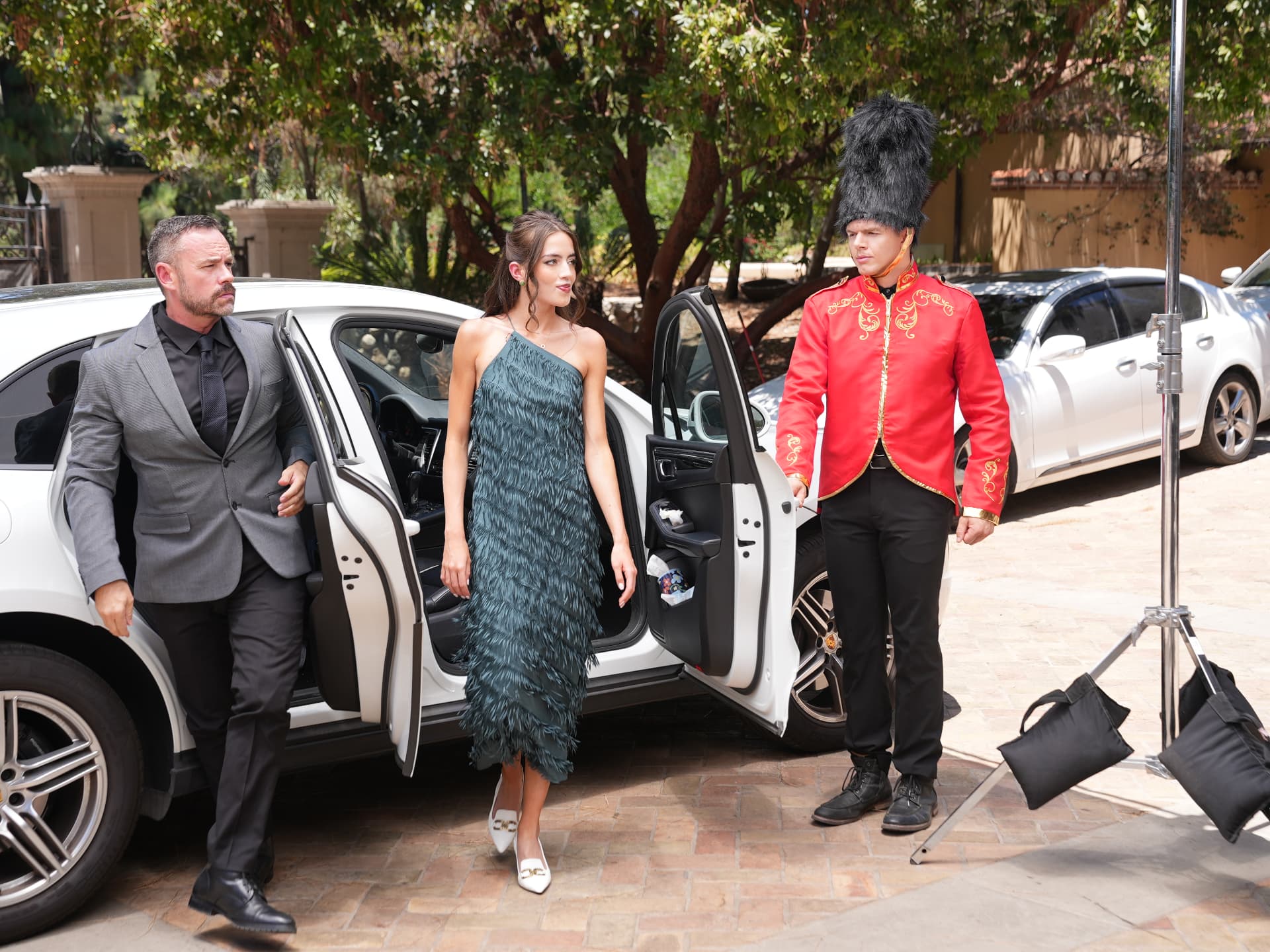
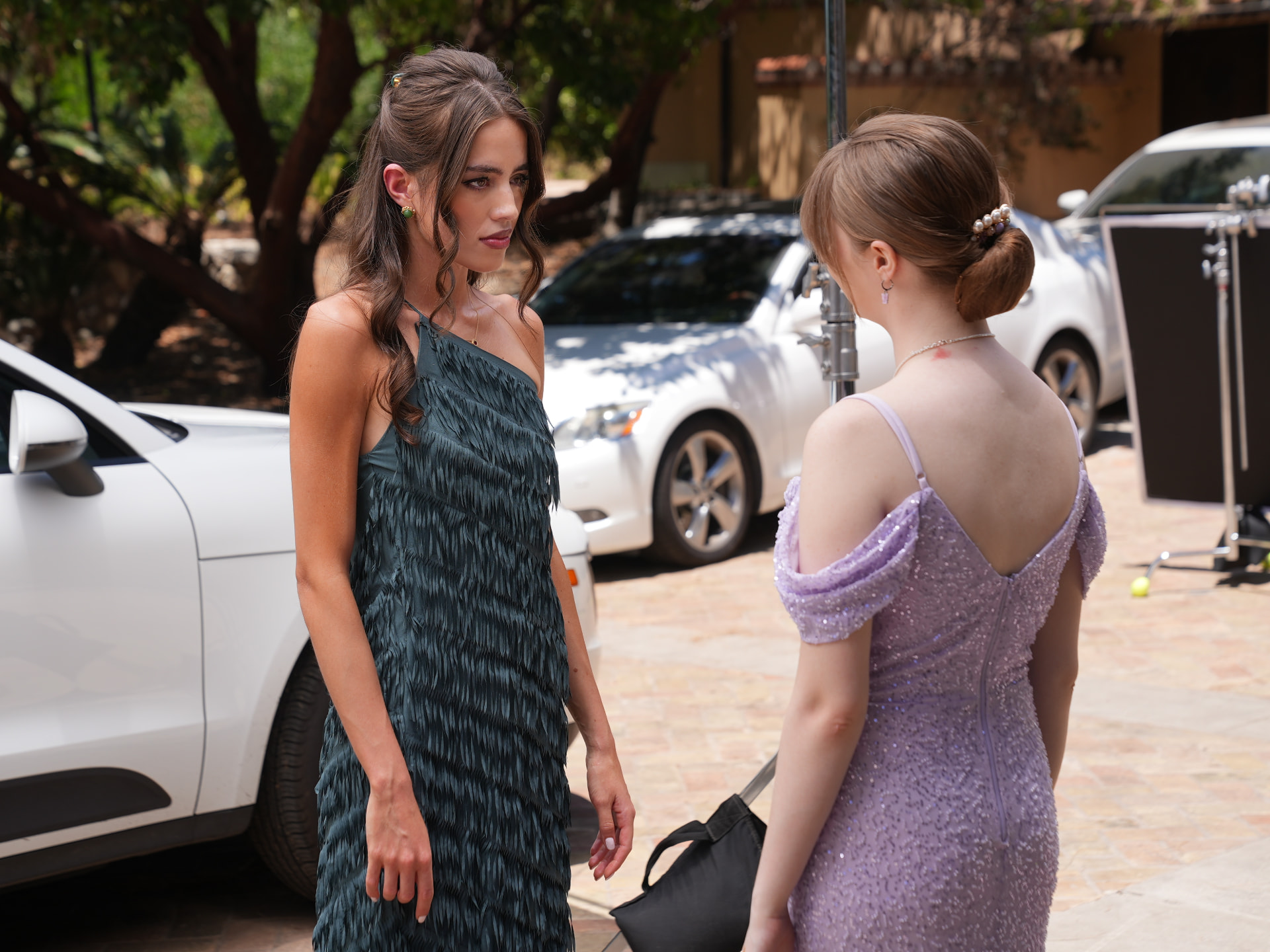
Therefore, I leaned more towards the "Villain" roles. Those characters gave me more room to play. They could be bold, unpredictable, selfish, wounded, funny, manipulative, angry, glamorous, and sometimes completely unhinged.
But I never wanted to play them as simply evil.
I was always much more interested in the pain underneath the behavior. Their behavior can be a symptom of something deeper: insecurity, rejection, fear, jealousy, grief, or a desperate need to feel chosen.
That became one of my favorite parts of working in microdramas.
The format moves so quickly, you don't always have long scenes to explain a character's psychology. You have to find ways to communicate who they are almost instantly.
A look, a pause, a shift in tone, or one unexpected choice can completely change how the audience understands them.
That challenge is something I've always loved.
Where I think microdramas are going
I think the next phase of microdramas will be about keeping everything that makes the format addictive while allowing the storytelling to become more sophisticated.
The speed can stay, the cliffhangers can stay, the outrageous twists can absolutely stay!
But I think we will continue to see richer characters, stronger performances, more visually ambitious productions, and stories that are willing to surprise the audience emotionally as well as narratively.
The format is still relatively young, which is part of what makes working in it so exciting. We are watching its language develop in real time.
More from Vanessa
You can see my vertical series and film work on the Credits page, read more about my background in Bio / About, or step inside the world of the characters over on Enter the Scene.